GREEN GABLES
The moment we pulled up to the historic Green Gables building, we knew. This wasn’t just a space.
It was a story; one we belonged in.
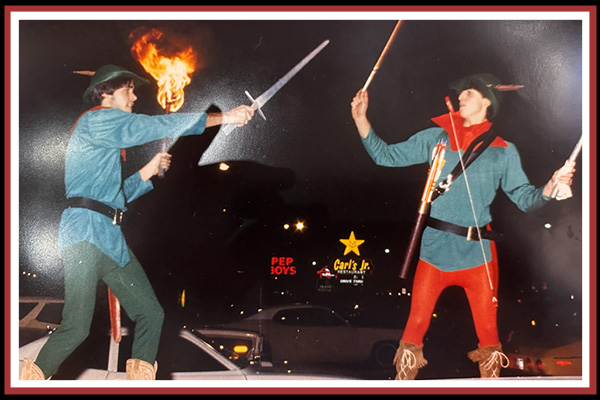
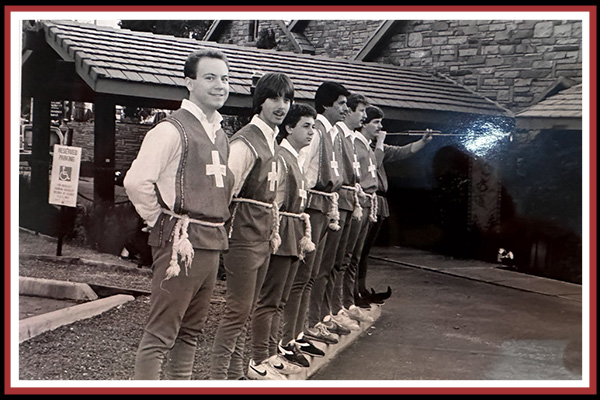
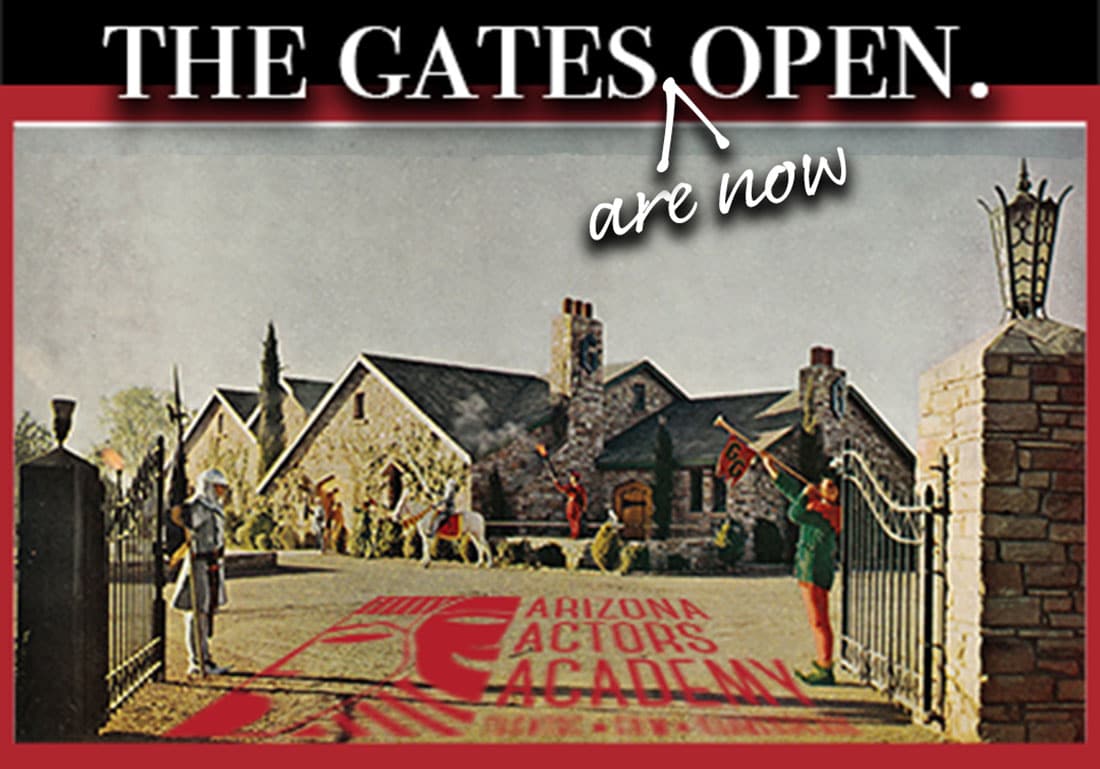
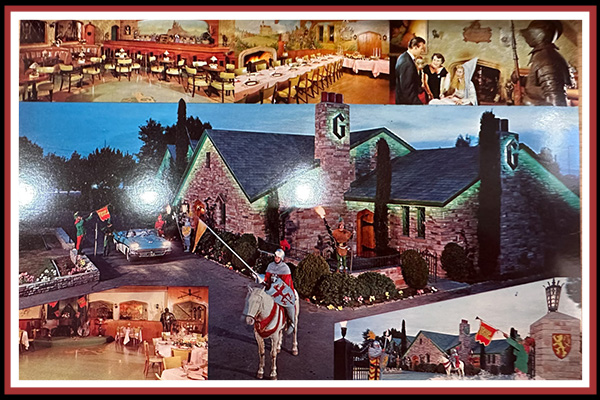
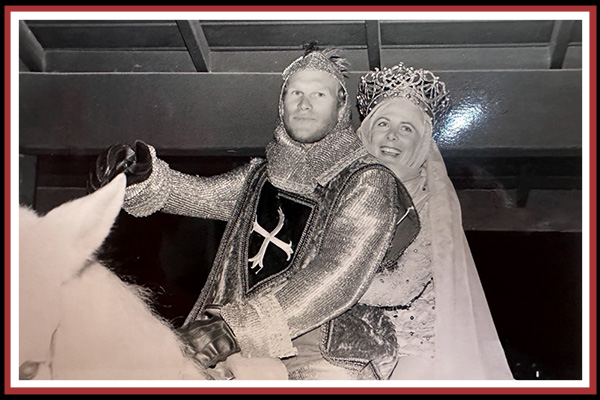
Built in the 1930s, The Green Gables Restaurant was once known as “Camelot in the Desert.” Guests arrived through flaming torches, greeted by knights in shining armor, trumpeters on balconies, and Robin Hood parking cars. For decades it was one of Phoenix’s most theatrical landmarks. A place where imagination met community.
It’s wild. It’s whimsical. It’s exactly what AZAA students deserve.
And now, it will be our new home.
HOW YOU CAN HELP
Whether you’re a current student, an alum, a parent, a friend of the arts, or someone whose life was shaped on our stage:
You can be part of building the next 20 years of AZAA.
Give if you can.
Share if you can.
Volunteer if you can.
It all matters.
$25: A Brushstroke of Support
$50: Light the New Stage
$100: Build the Foundation
$250: Move the Sign
$500: Patron of the New Studio
$1,000: Founding Builder Circle (name listed on a permanent display in the new space)
Donation of $350 allows us to retire the old futon with dignity and gratitude.
We’ll send it off with a ceremonial bow and possibly a Viking funeral.
(Jacque said no to actual fire. She is correct.)
Thank you for believing in this school.
Thank you for standing with artists.
Thank you for helping us enter 2026 renewed, galvanized, bold, and bloody excited.
Let’s build this together.
Let’s make the next era of AZAA unforgettable.
All donations are tax-deductible and restricted to capital and relocation expenses supporting a community arts training space operated by Arizona Actors Academy.
Is my donation tax-deductible?
Yes. This fundraiser is fiscally sponsored by Theatre Upstairs, a 501(c)(3) nonprofit arts organization. Donations are tax-deductible to the extent allowed by law.
Why is a nonprofit sponsoring a for-profit school?
Theatre Upstairs is serving as a fiscal sponsor for this one-time capital campaign to preserve a community arts training and performance space. Funds are restricted to relocation and build-out costs only.
What will the funds be used for?
Donations support essential relocation expenses, including moving and reinstalling our exterior sign, stage lighting, safety improvements, build-out, seating, storage, and restoring our former space.
Will my donation support salaries or operating expenses?
No. All funds are restricted to one-time capital and relocation costs and do not support payroll or ongoing operating expenses.
What happens if you exceed the fundraising goal?
Any additional funds will be used to further improve safety, accessibility, and long-term sustainability of the new studio.
Help Build AZAA’s New Home at Green Gables
GREEN GABLES DELIGHTFUL HISTORY!
A true Camelot in the Desert
The story of our new home: Green Gables
When I learned the history of this building, I got chills.
Built in the 1930s, the original Green Gables Restaurant wasn’t just a place to eat, it was an experience, a destination, and a piece of living theater. Long before “immersive” became a buzzword, Green Gables invited people to step out of ordinary life and into story.